

 English
 Español
I. Impact on the Product Itself
As eletric vehicles become increasingly widespread, our commonly used torque wrenches can no longer be designed with outdated approaches. Whether in terms of precision, safety, or design aesthetics, they must adapt to the operational demands of new energy vehicles to align with real-world scenarios in vehicle maintenance and manufacturing.
First, comprehensive upgrades in precision and sizing are essential. For new energy vehicles, the tightness and adequate torque of screws in batteries, motors, and electronic control systems directly impact driving safety and component lifespan. This demands exceptionally low torque error margins—several times stricter than those for traditional fuel-powered vehicles. For components like battery packs and high-voltage connectors, high torque isn't required, but precision is essential. Compact, high-precision wrenches have become indispensable. Moreover, the confined spaces under the chassis and within battery compartments make bulky wrenches impractical. Tools must now be lighter and narrower to facilitate operation in tight quarters.
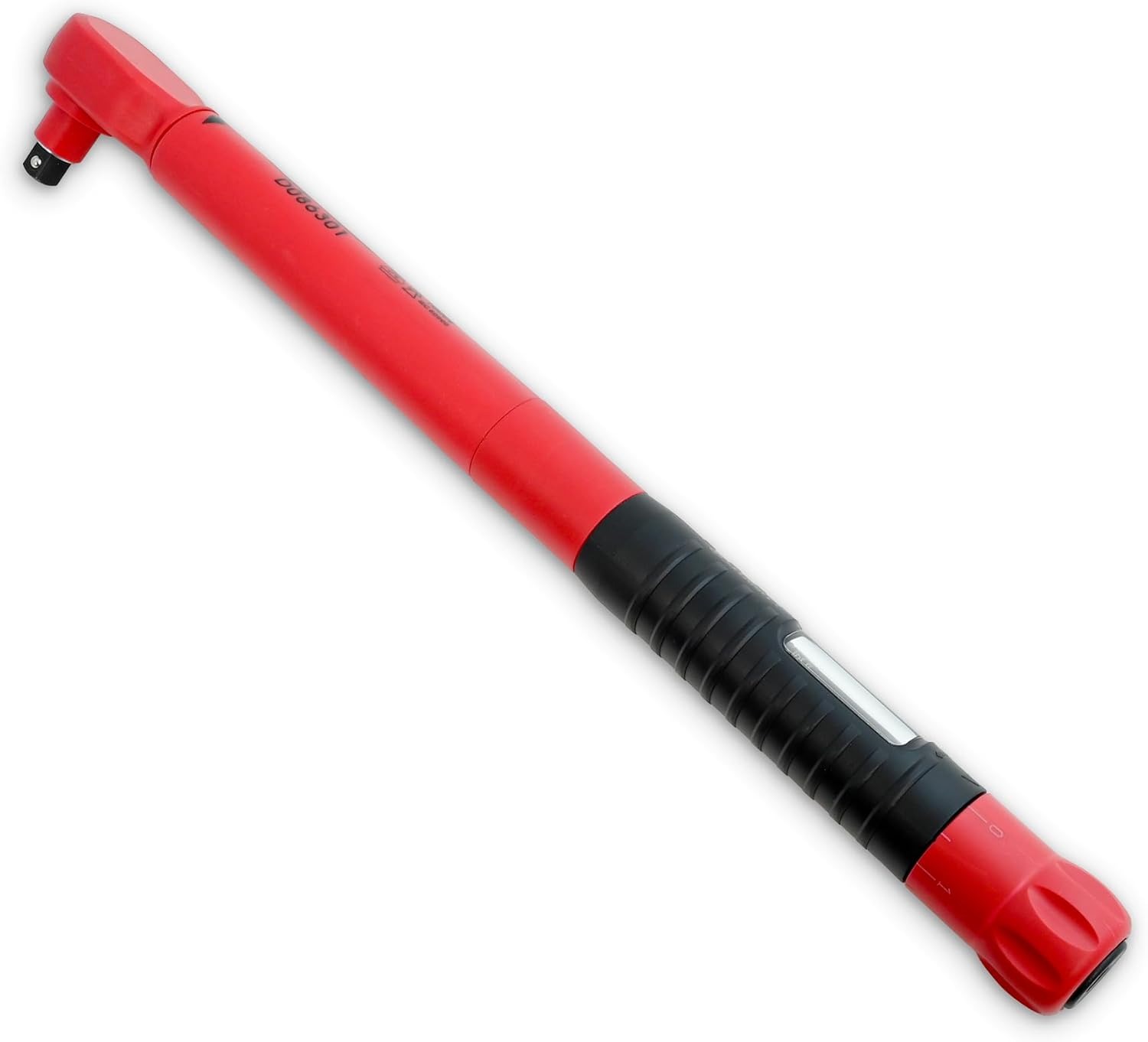
Second is a major shift in safety and practical features. New energy vehicle circuits operate at high voltages, posing electrocution risks during repairs or part installation. Insulated torque wrenches have become essential, meeting strict safety insulation standards, while non-insulated wrenches are gradually being phased out. Additionally, both automakers and repair shops now require documented torque data for screws. Smart torque wrenches with digital displays, data storage, and alert functions are gaining popularity, gradually replacing old-style mechanical wrenches that relied solely on feel.
Develop Specialized Products for Niche Applications. To keep pace with the new energy industry, targeted product development is crucial. For instance, offering complete torque wrench sets with specialized accessories for scenarios like battery pack disassembly, high-voltage wiring tightening, and coolant pipe installation enhances efficiency. Simultaneously, tailor designs to specific environments: high-precision models for factory assembly lines, insulated safety versions for repair shops, and portable units for small workshops. This approach caters to diverse clients—automakers, battery manufacturers, and auto repair shops—enabling niche products to capture market share.
II. Impact on the Industry as a Whole
The rise of eletric vehicles has not only transformed the appearance of torque wrenches but fundamentally redefined industry practices, propelling the sector toward higher quality and greater standardization.
First, market demand has expanded significantly with more pronounced product differentiation. As NEV production and ownership grow, torque wrenches are indispensable for vehicle manufacturing, battery maintenance, and routine servicing, driving substantial overall demand growth. Sales of high-precision, insulated, and smart models are surging far faster than traditional variants, becoming the primary growth engine and shifting the market away from its previous reliance on gasoline vehicle parts.
Second, the competitive landscape has shifted, with technology and certification becoming critical. The industry no longer relies on low prices to win business. Manufacturers capable of producing high-precision, insulated, and reliable products with proper safety certifications gain a competitive edge, securing spots in the supply chains of automakers and major manufacturers. Low-end products that are substandard, uncertified, or fail to meet specifications will gradually be phased out by the market, to greater consolidation among reputable companies.
Finally, business models are shifting, with service becoming paramount. Automakers and battery manufacturers now require not just tools but also complementary services like regular calibration and technical training. Torque wrench companies must move beyond product sales to offer comprehensive packages including “product + calibration + after-sales support + technical guidance.” Sales channels are also aligning more closely with new energy vehicle manufacturing and maintenance scenarios, fostering tighter upstream-downstream collaboration. Additionally, rising safety requirements for new energy vehicles and stricter standards are driving greater industry standardization.